Drilling and Boring: Different Stages of Hole Machining
Drilling creates a hole, while boring works on an existing opening to enlarge or refine it. A drilled hole may therefore be the starting point for a subsequent boring operation.
The appropriate process depends on the finished diameter, depth, material and required accuracy. Tool access and the rigidity of the setup also influence how the bore can be machined.
If your drawing specifies a finished hole without prescribing the manufacturing method, our team can review the requirement and discuss a suitable approach.
Our Boring Equipment
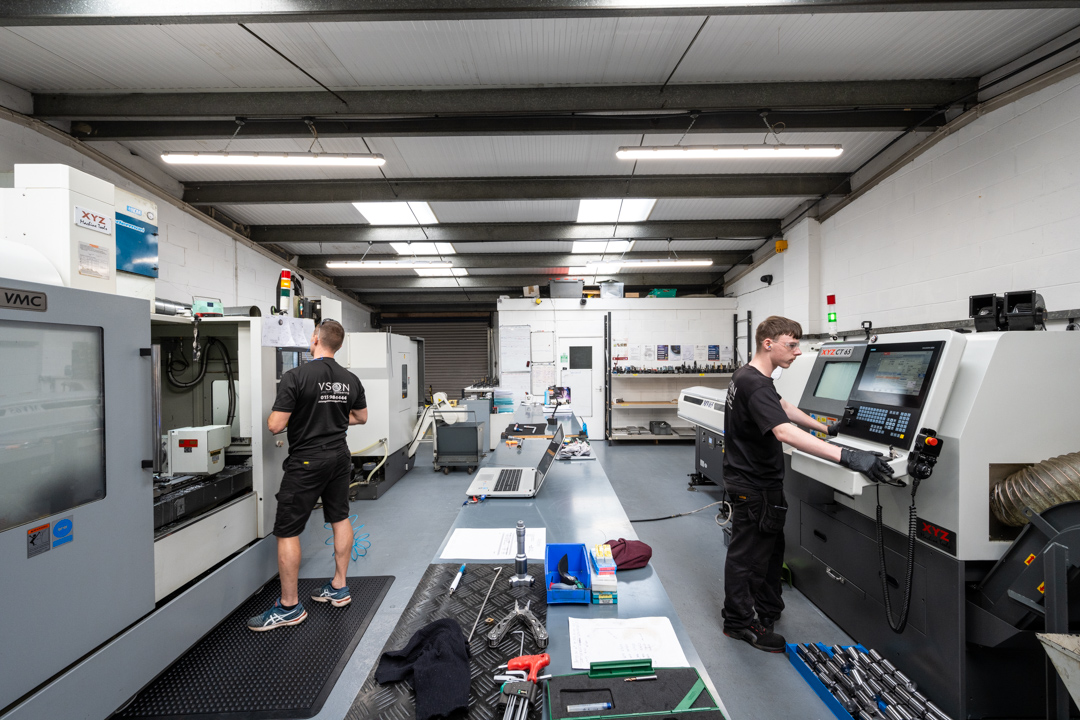
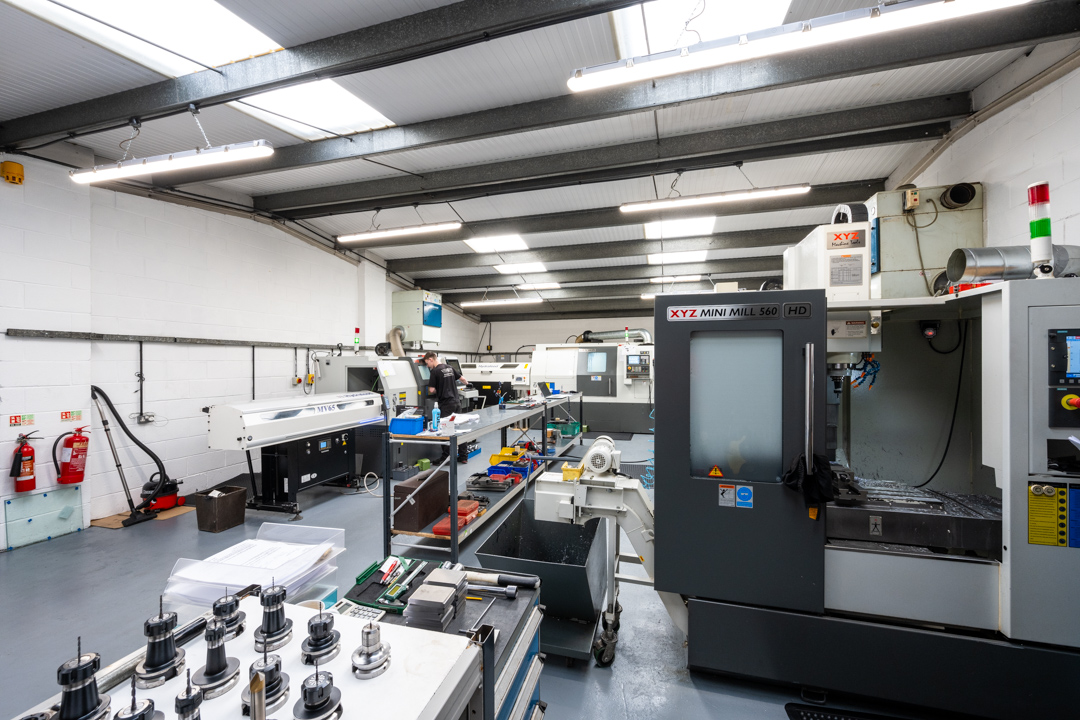
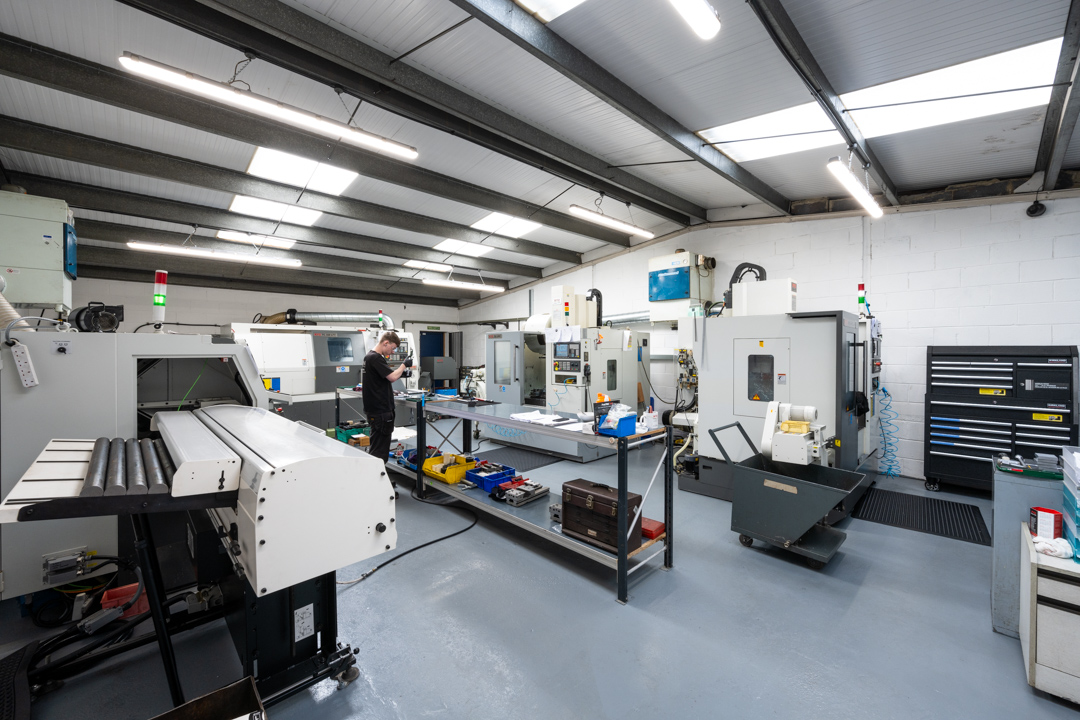
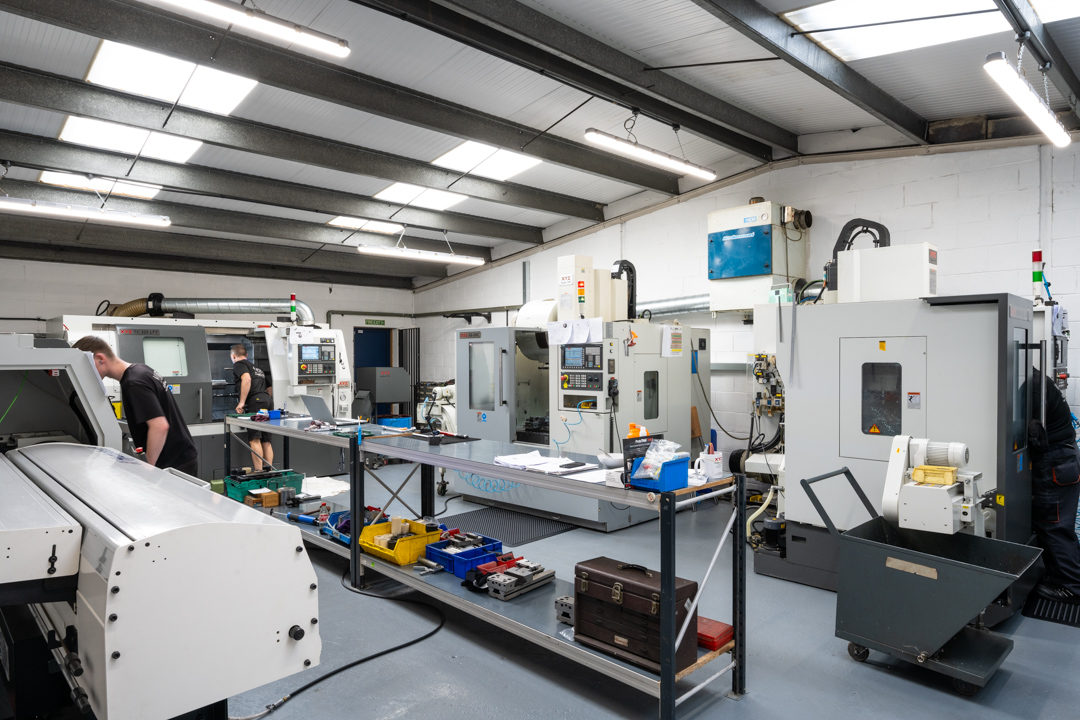
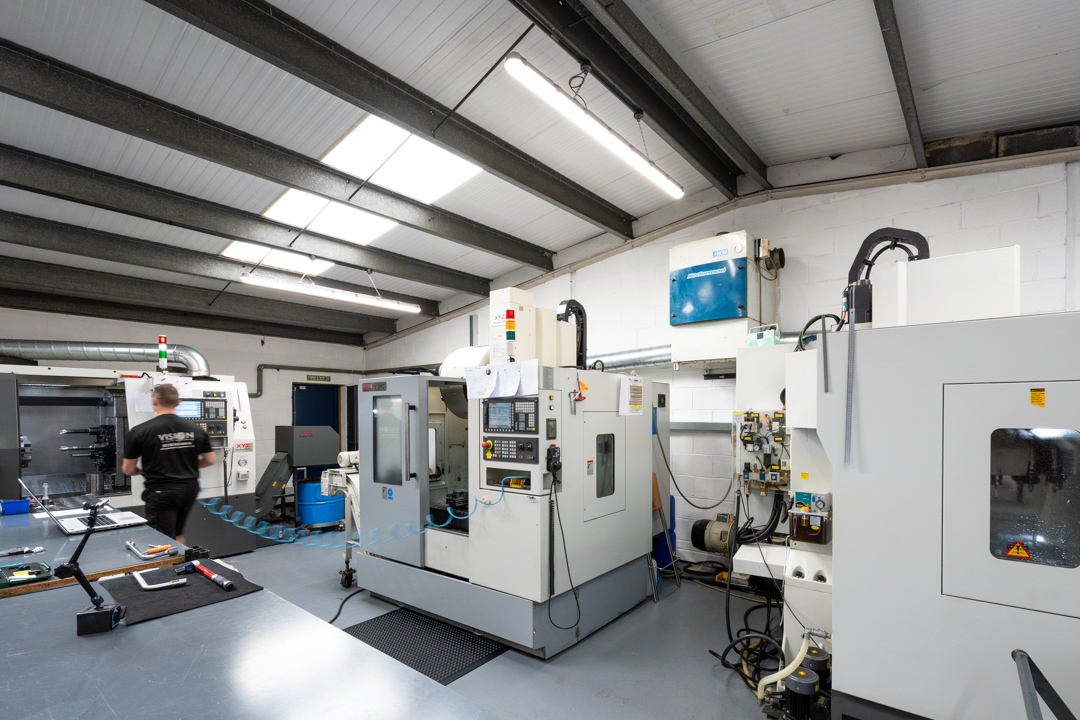
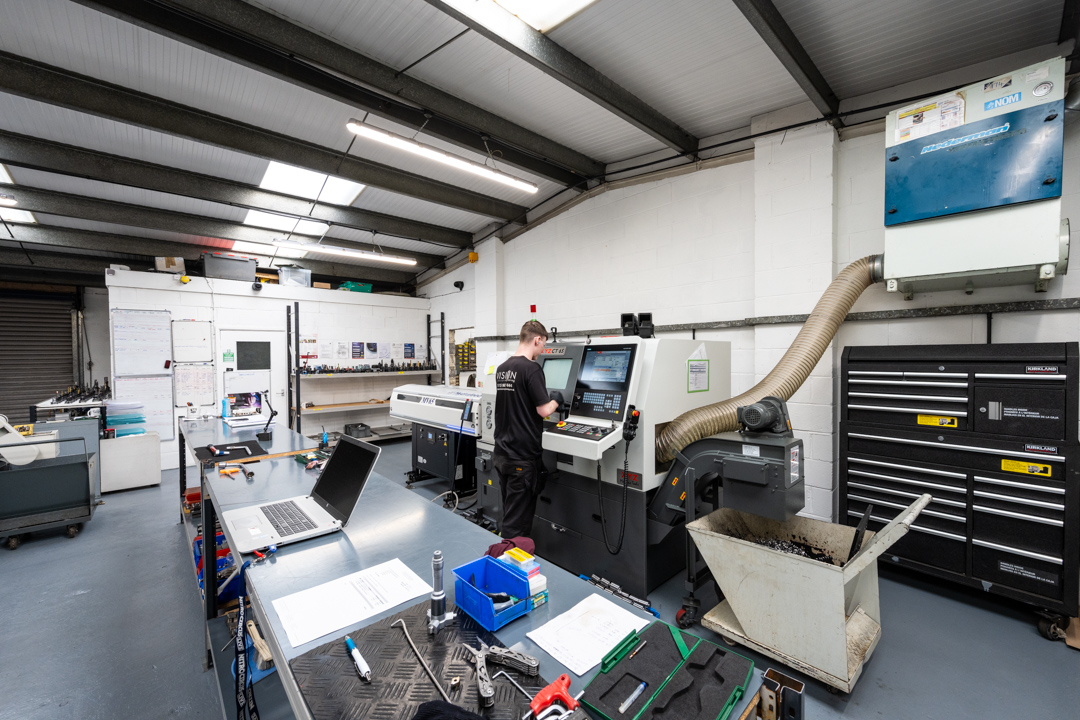
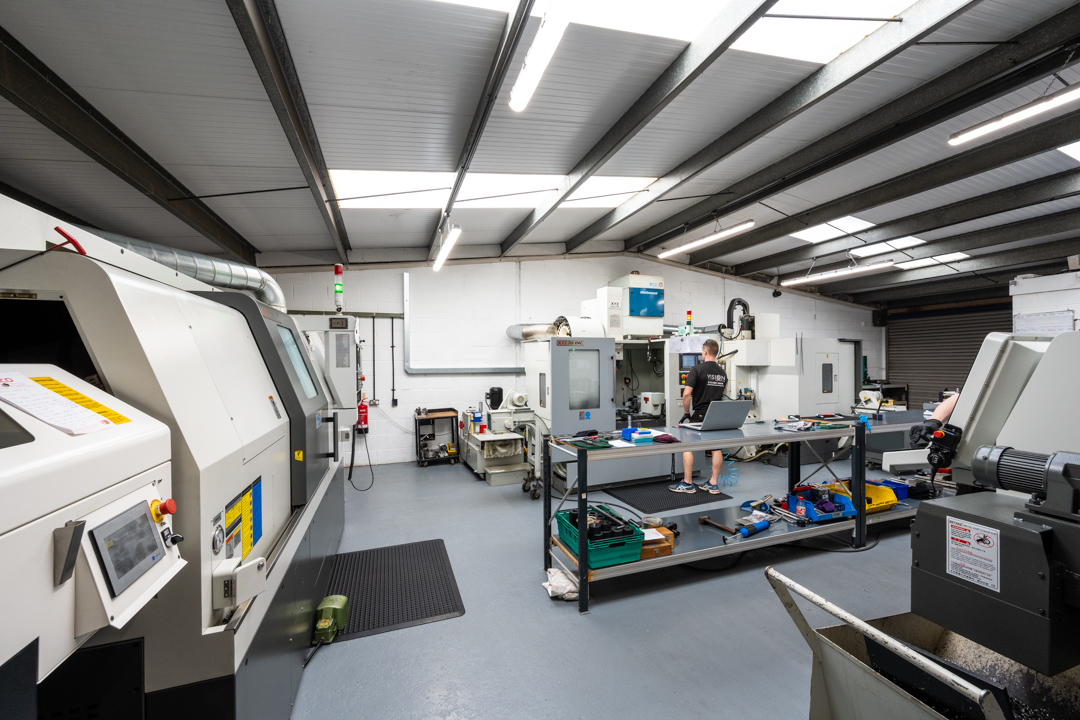
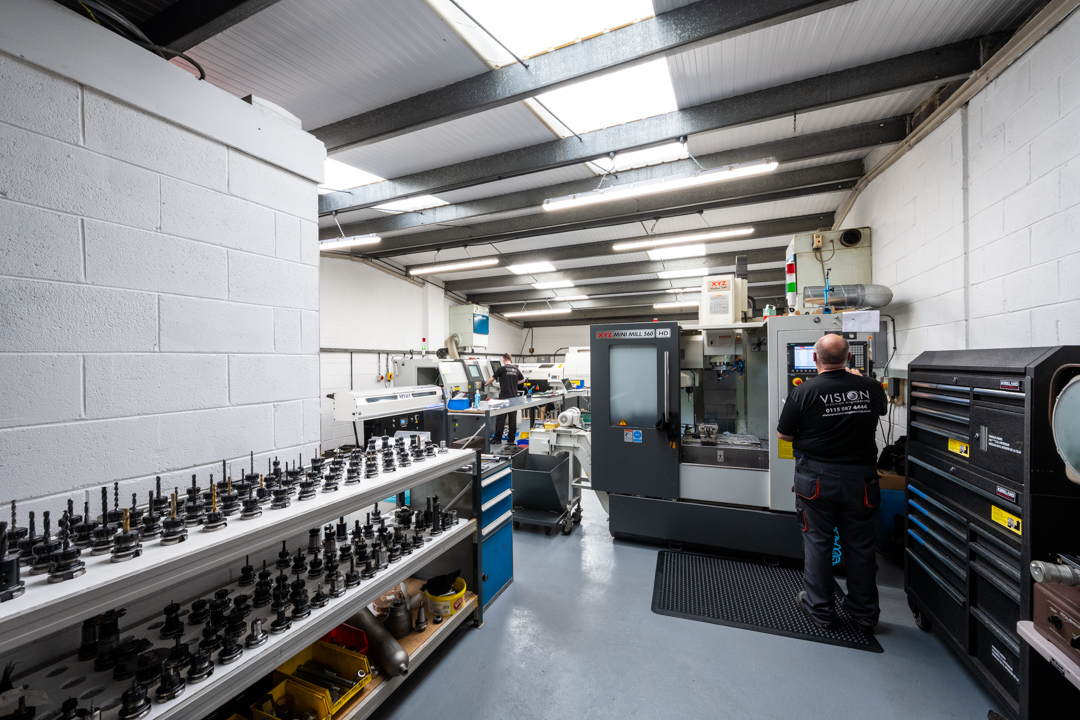
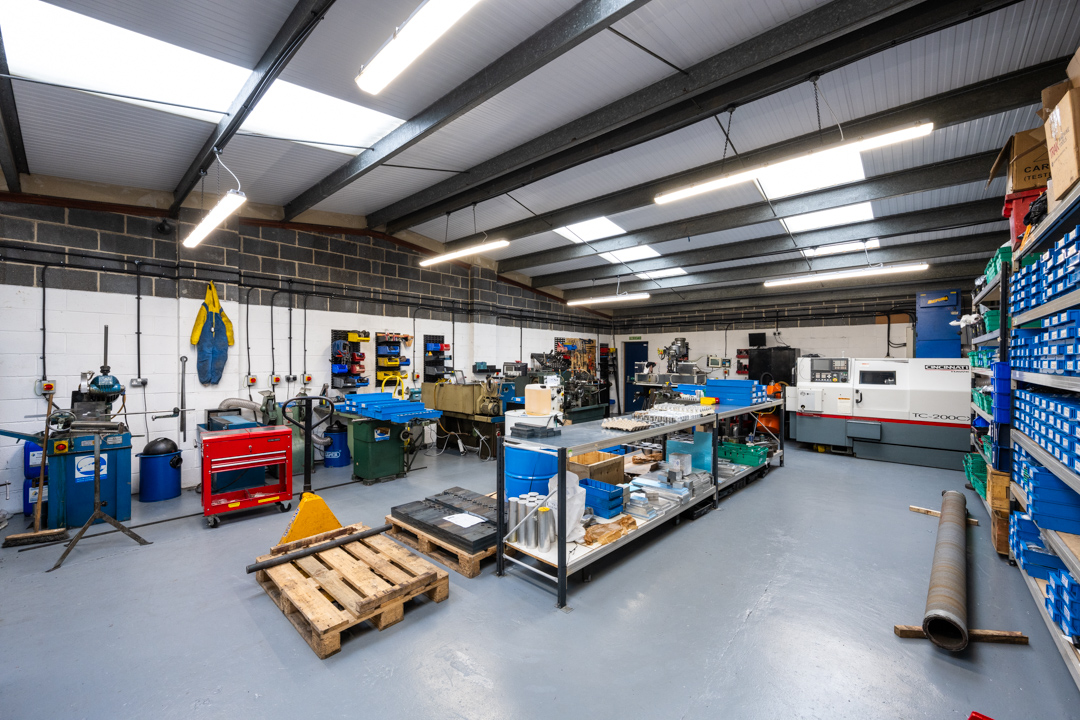
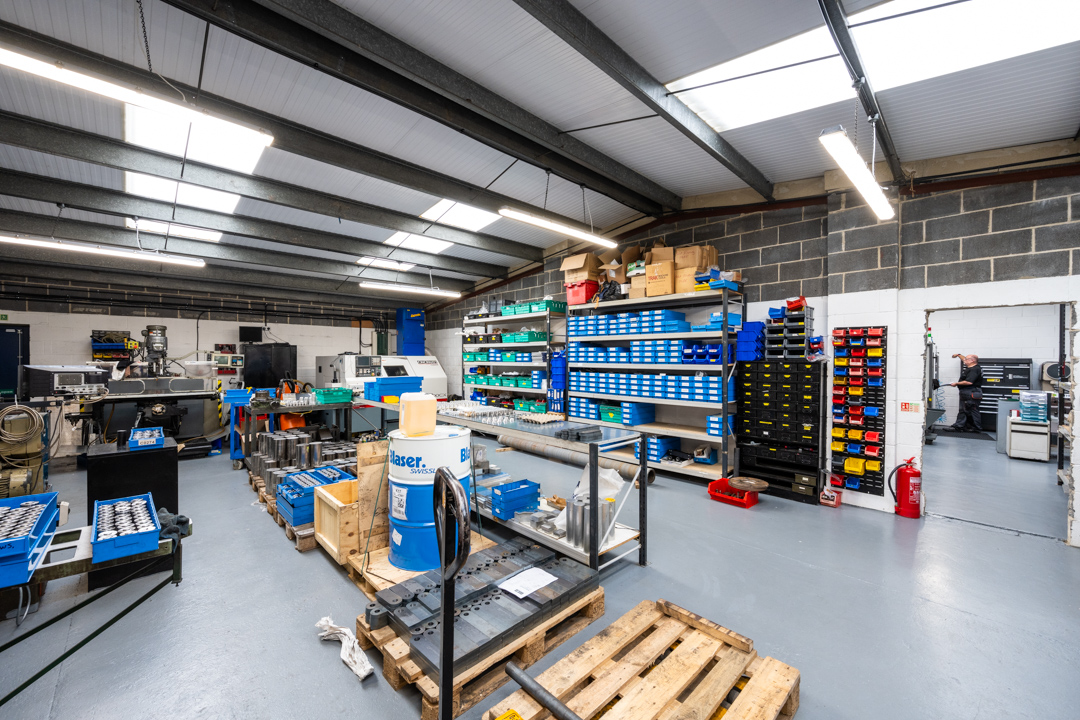
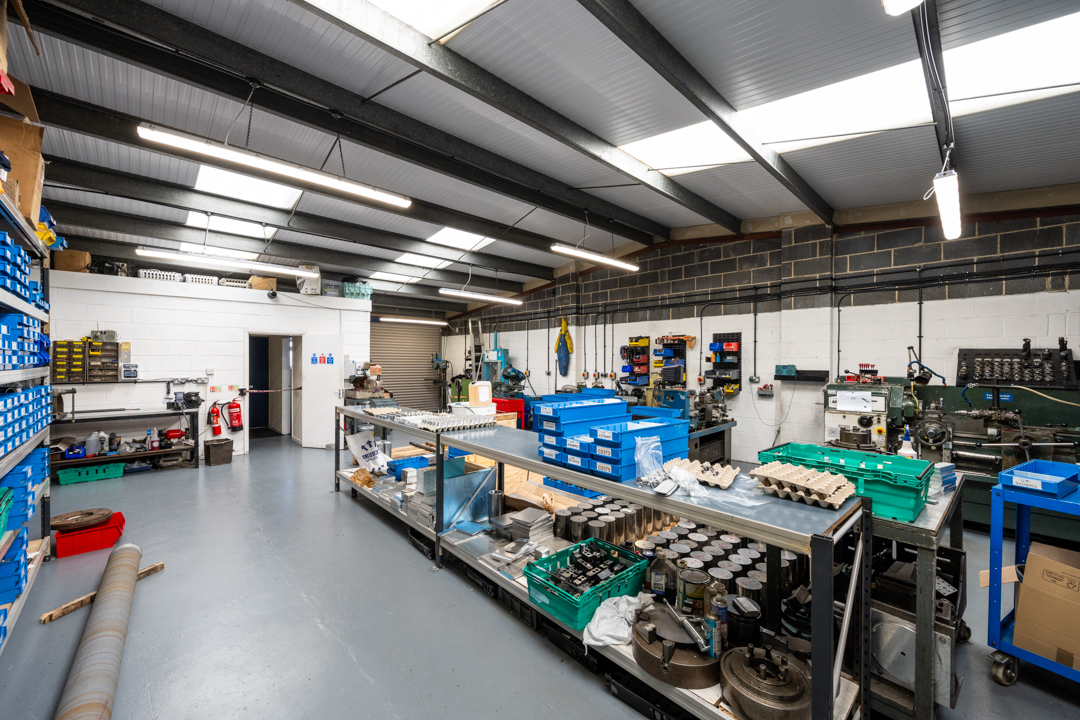
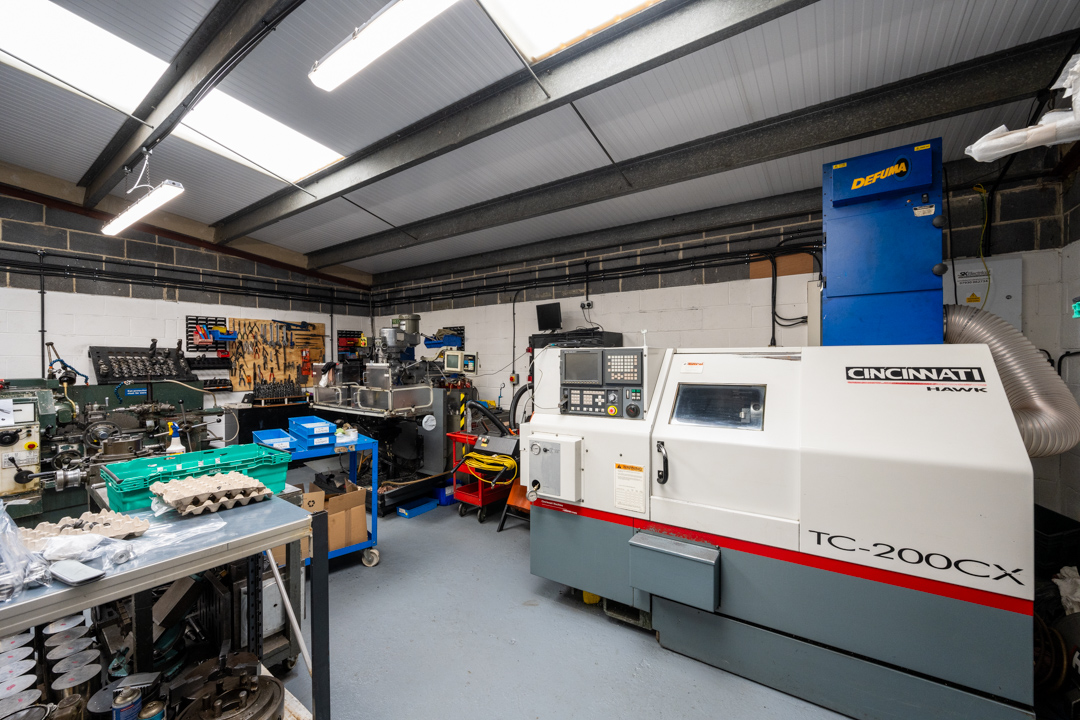
Our workshop’s listed equipment for boring operations includes:
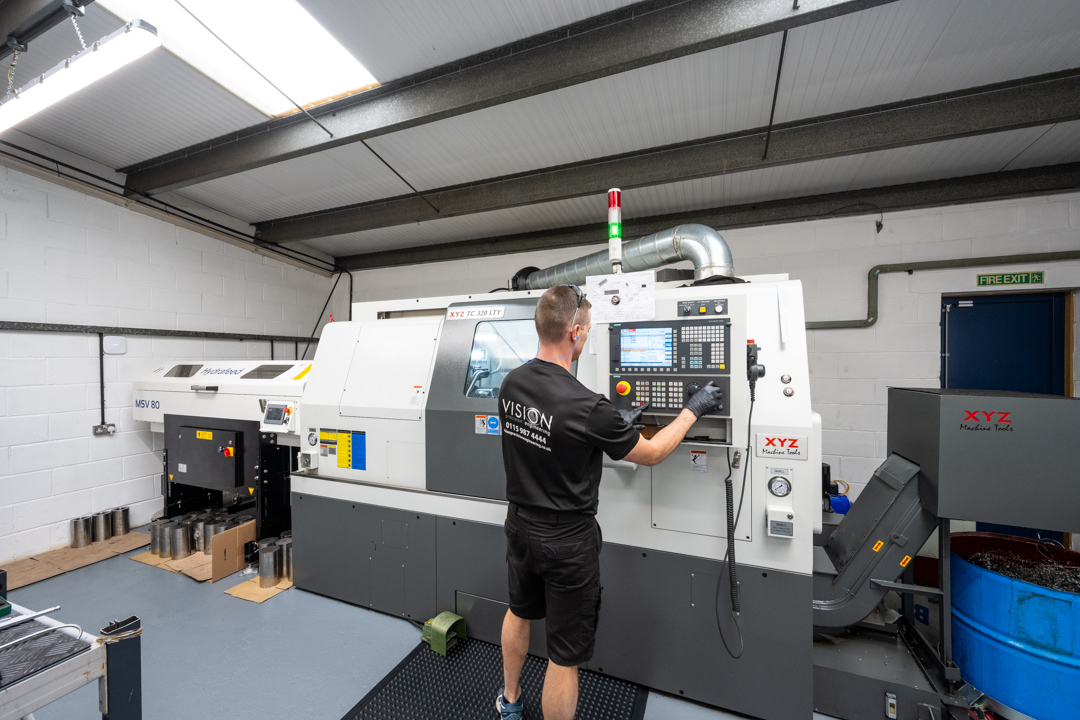
- XYZ 320 LTY with Hydrafeed Bar Feed
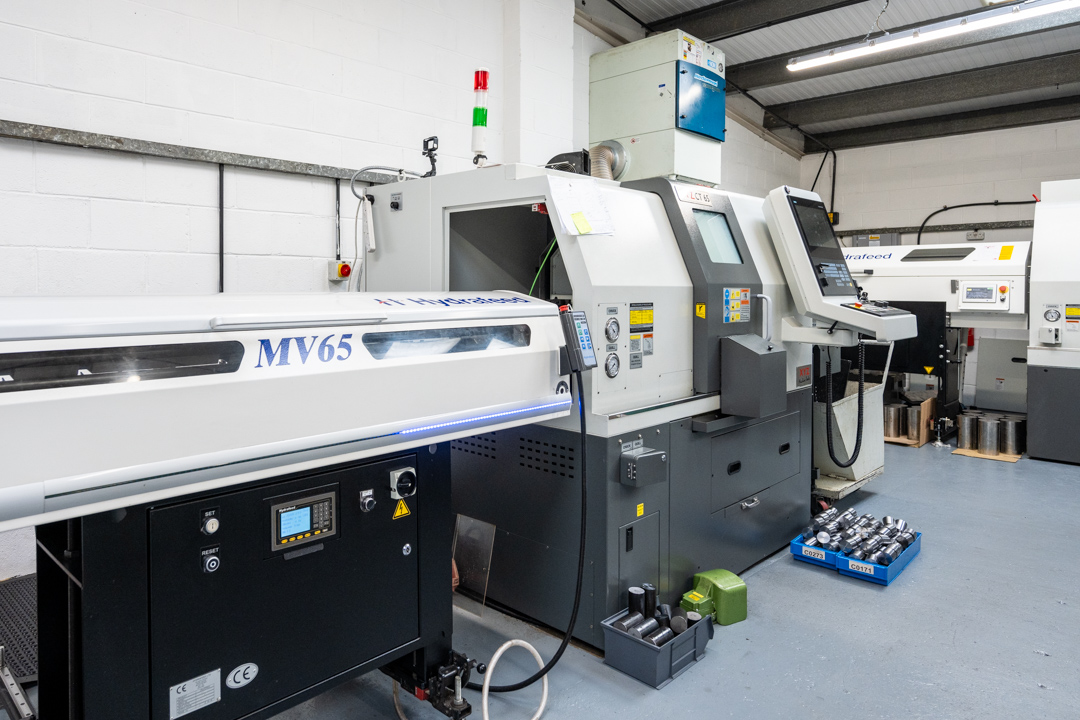
- XYZ CT65HD with Hydrafeed Bar Feed
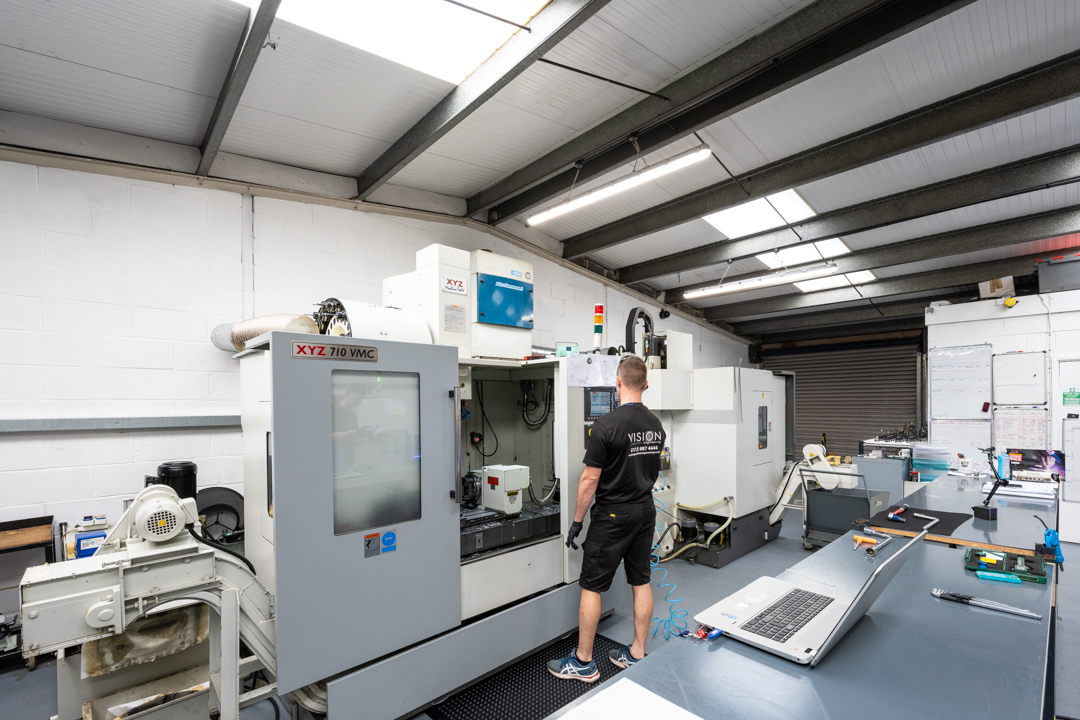
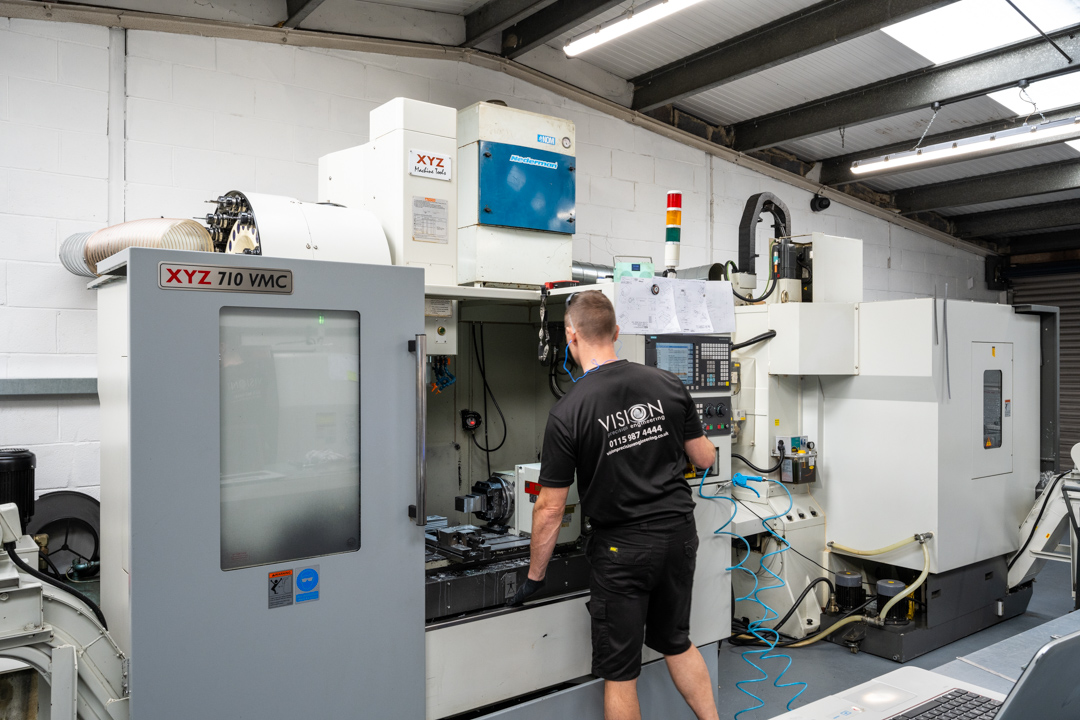
- XYZ 710 4-Axis Vertical Machining Centre with Renishaw Probing
- Ward 2DB 8 Tool Station Capstan Production Lathe
- Harrison Centre Lathe
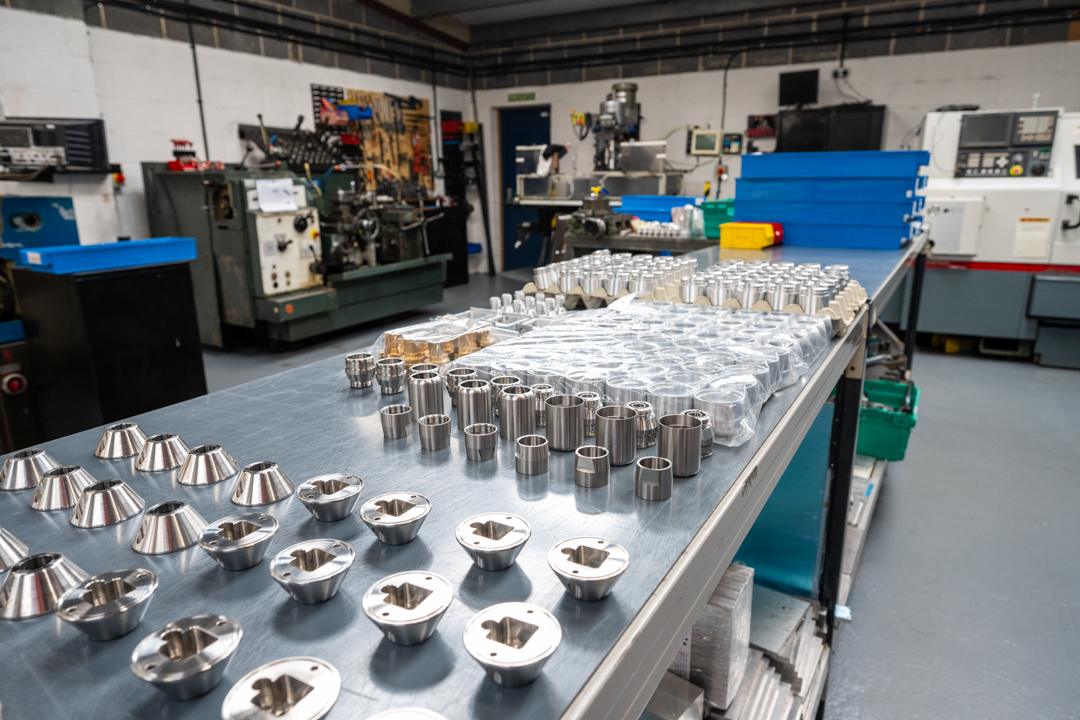
This equipment provides different options for machining internal features, depending on the part’s shape, size and production quantity.
Please submit your drawing so we can confirm the appropriate machine, tooling and setup for your component.
Planning for Bore Fit and Surface Finish
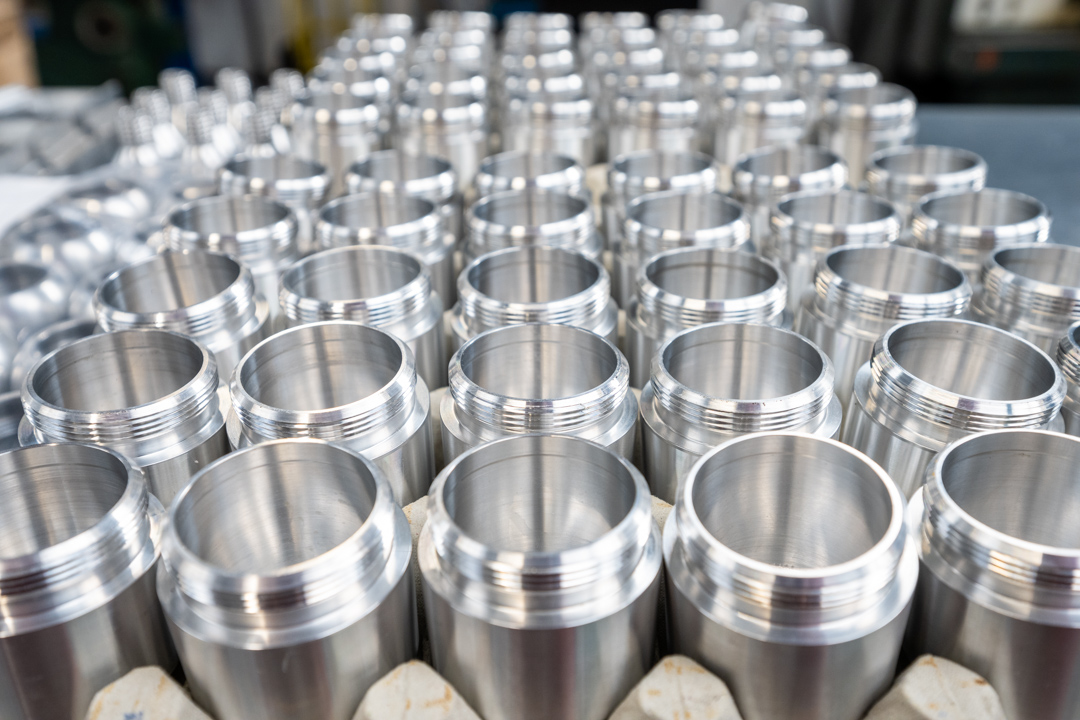
A nominal diameter alone may not fully define a bore. The required fit, surface finish and relationship to external diameters or mounting faces can be equally important.
Please identify whether the bore passes through the component or stops at a specified depth. Include any internal shoulders, grooves or other features that could affect tool access.
For longer or smaller-diameter bores, the available clearance and reach of the cutting tool become particularly important. We assess these details before confirming suitability rather than applying a single capacity figure to every component.