Benefits of Thread Rolling
For suitable components, thread rolling can offer several manufacturing advantages:
- No cutting swarf from the thread rolling operation: the tooling forms the thread by displacing material.
- Efficient use of material: the prepared blank is smaller in diameter than the finished thread’s outside diameter.
- Repeatable production: controlled blank preparation and tooling help produce consistent threads across a batch.
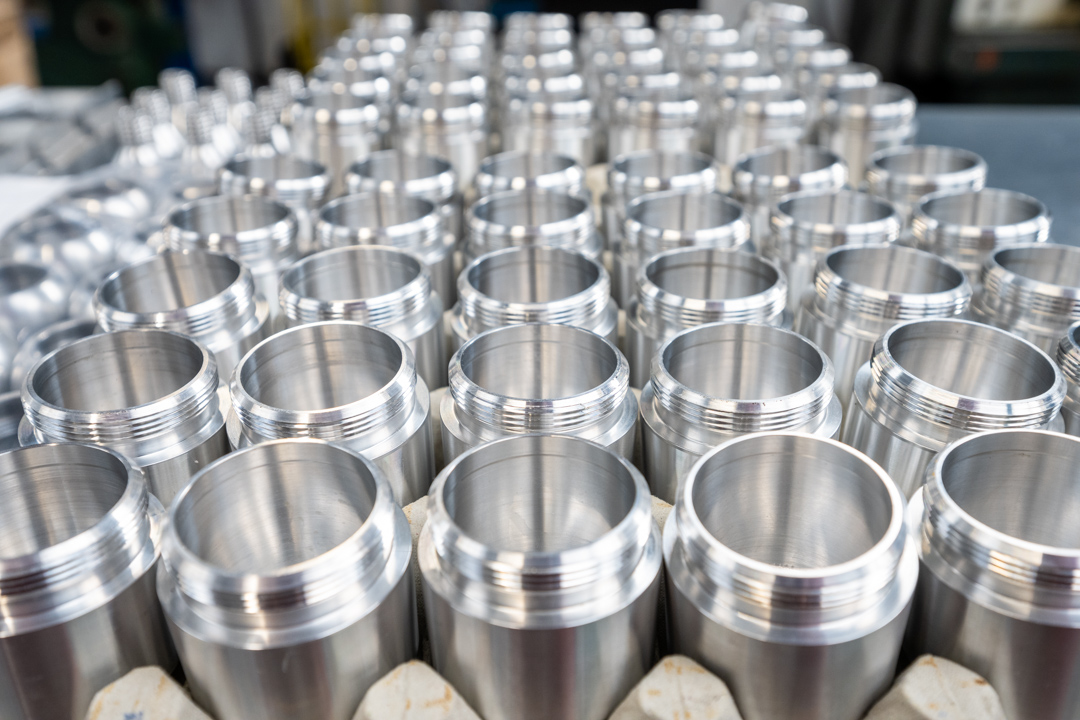
- A smooth thread surface: the forming action can produce a smooth finish when the material and process conditions are suitable.
The practical benefits depend on the component design, material condition and production quantity. We can review your drawing to discuss whether thread rolling is appropriate for your project.
Our Thread Rolling and Production Equipment
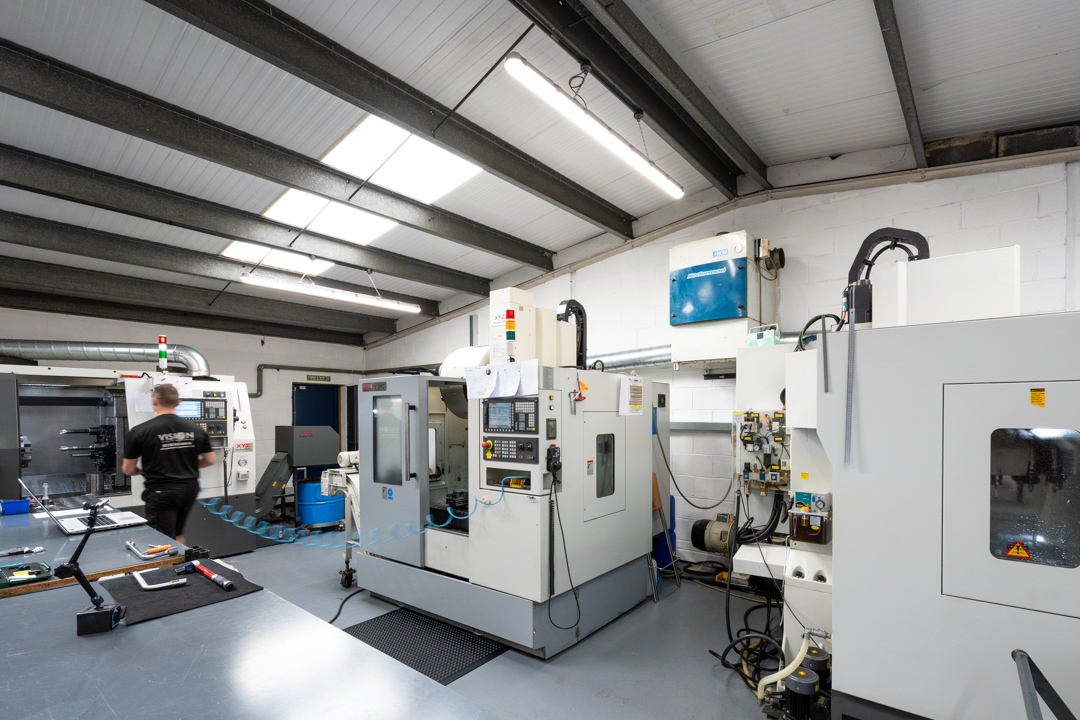
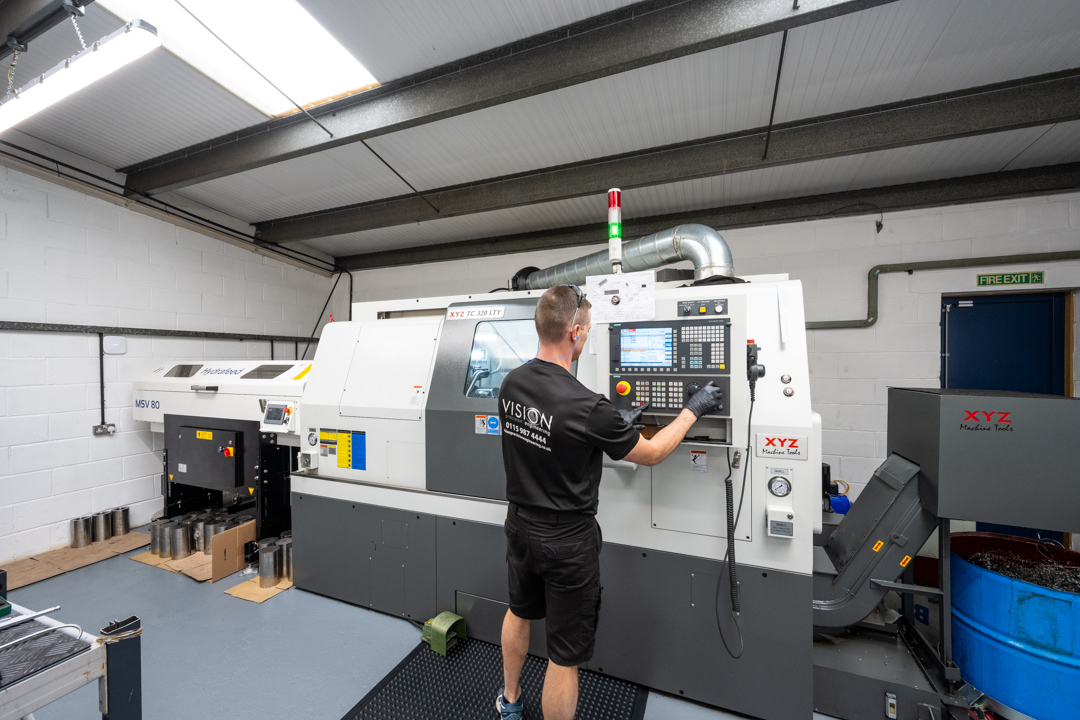
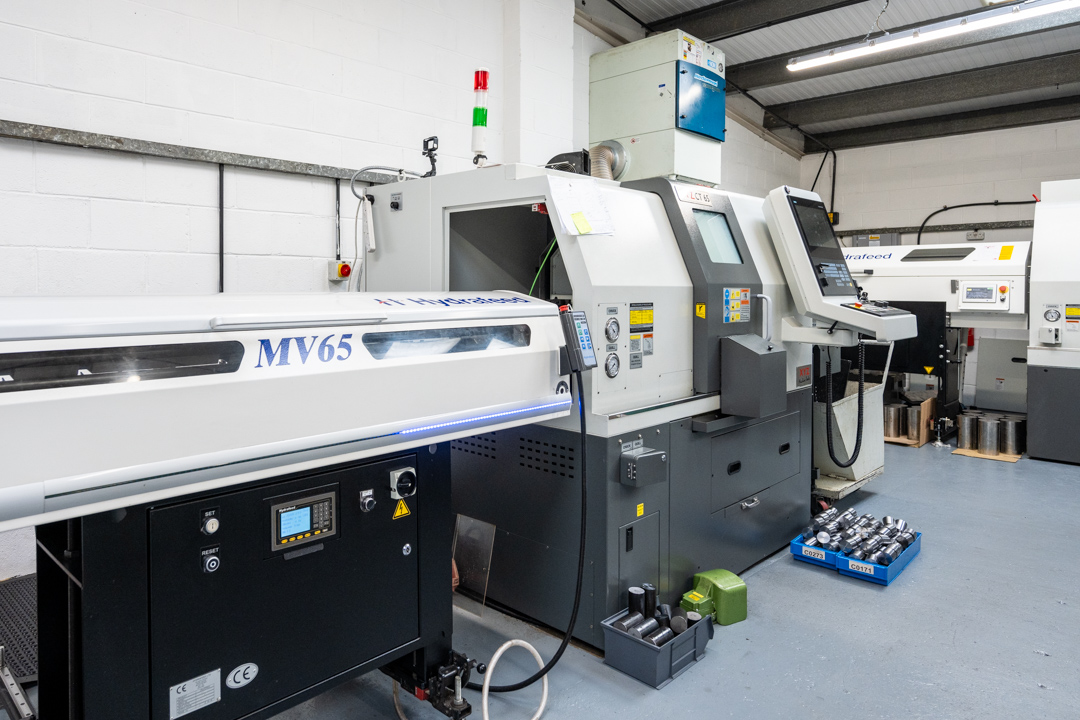
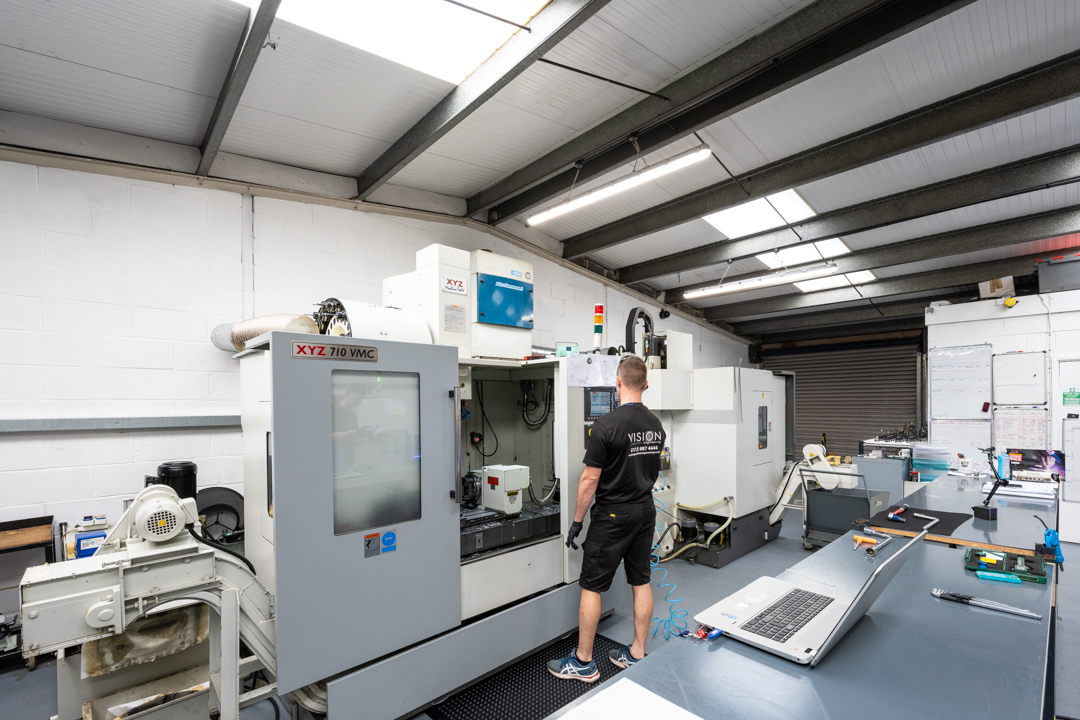
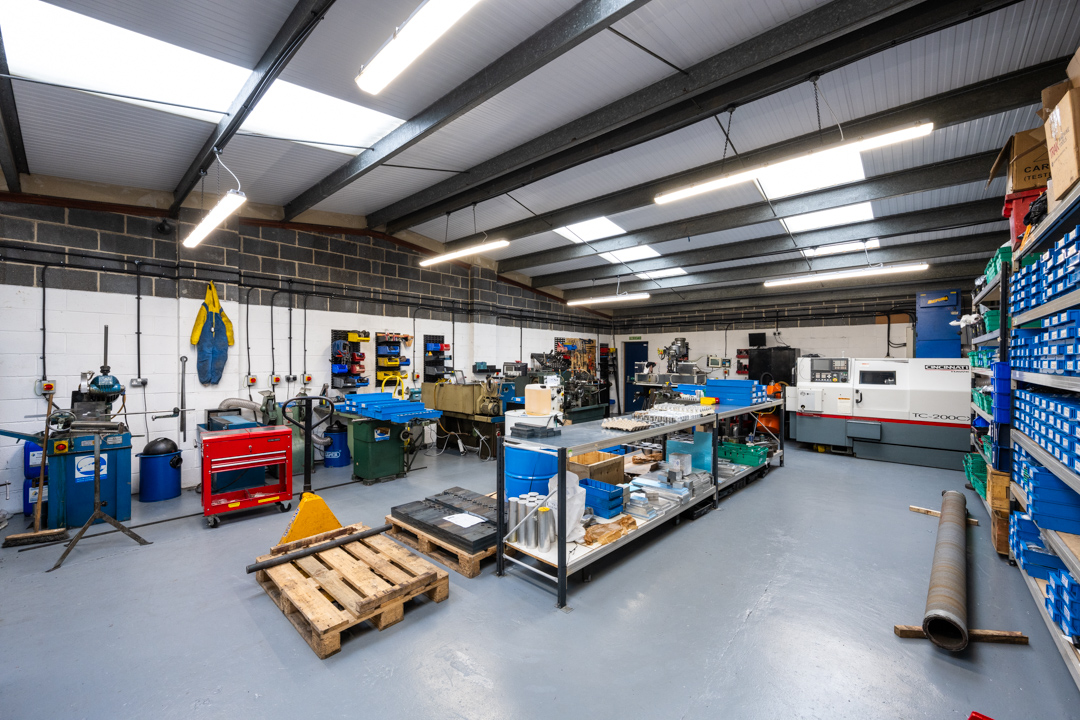
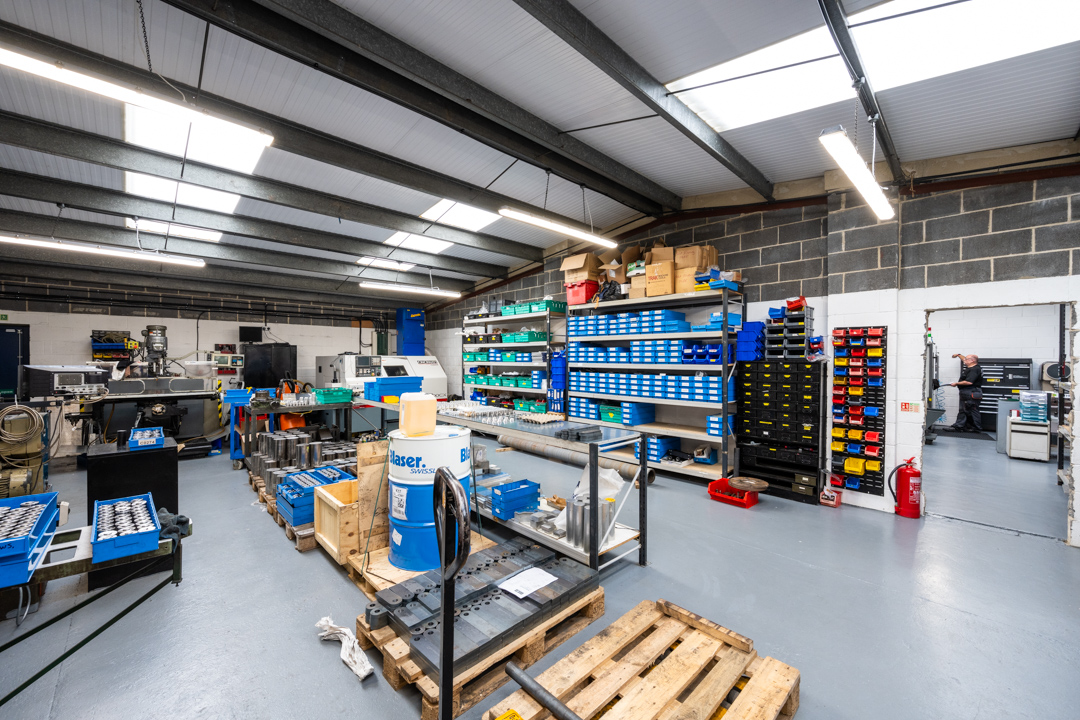
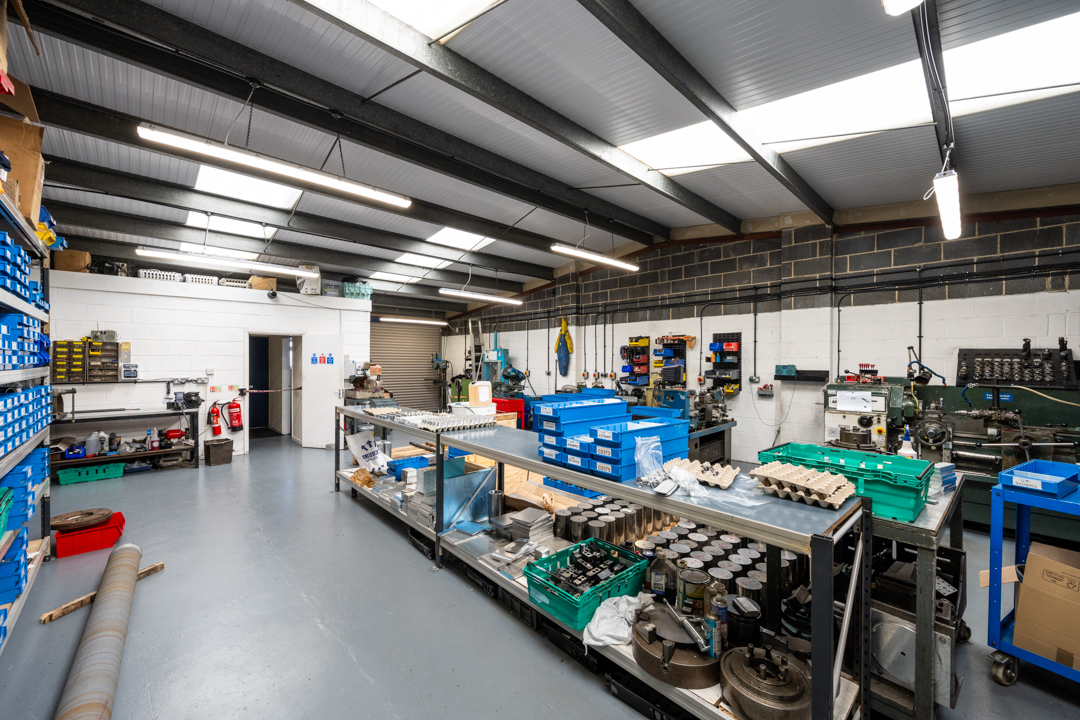
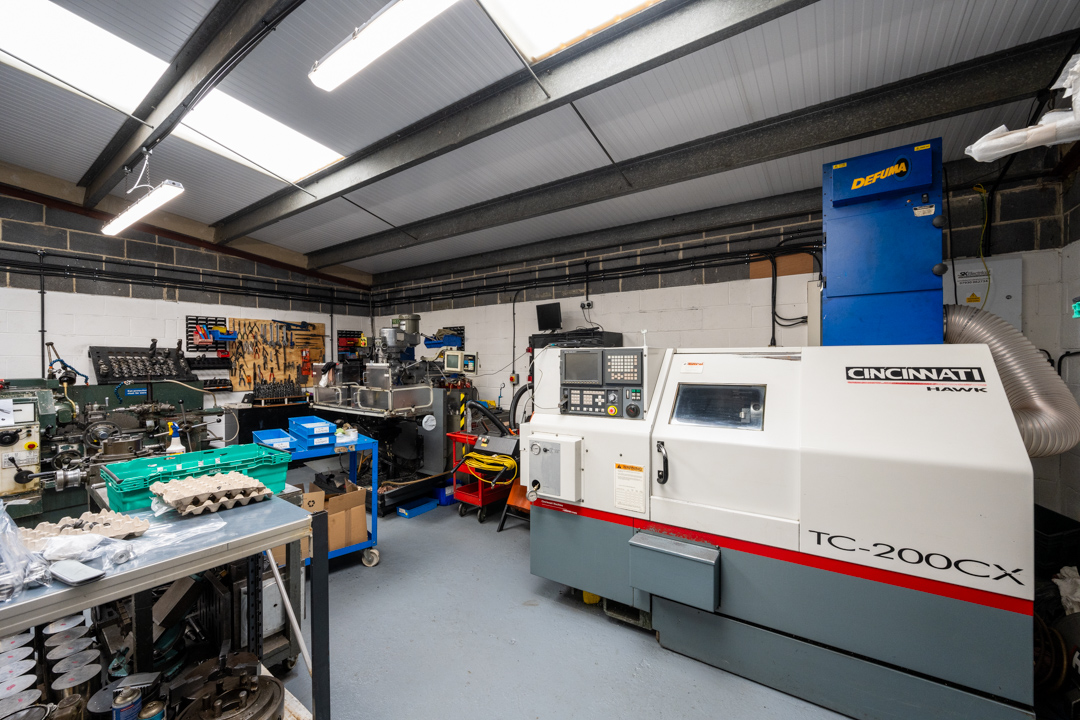
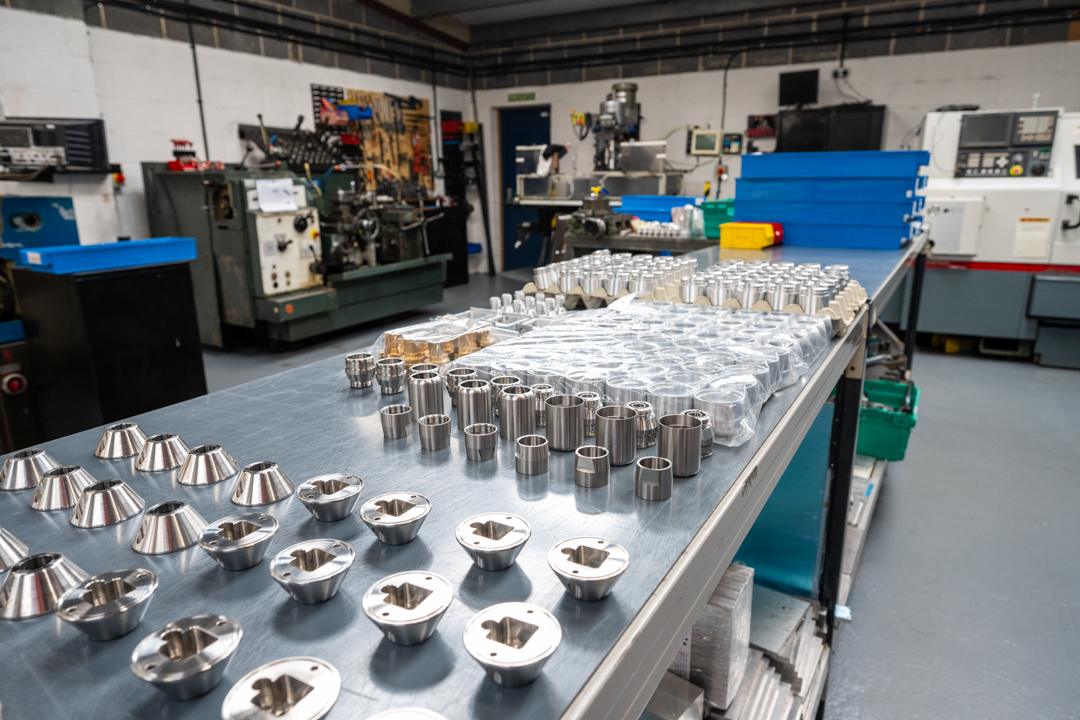
Our listed equipment includes:
- Fette thread rolling heads for producing rolled external threads.
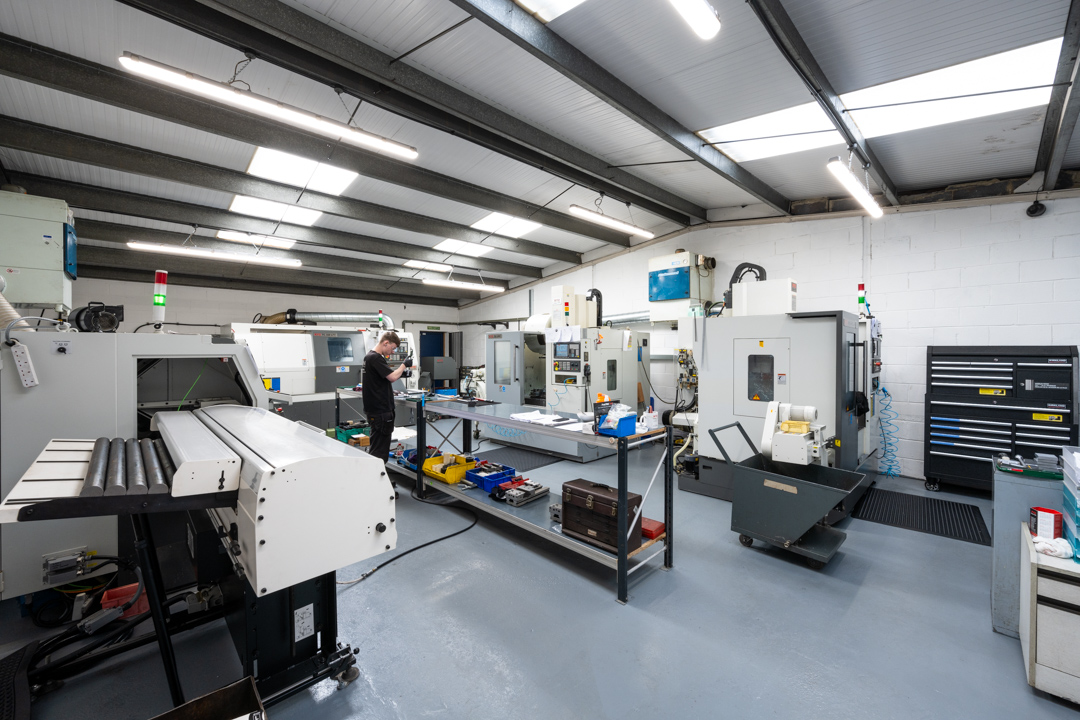
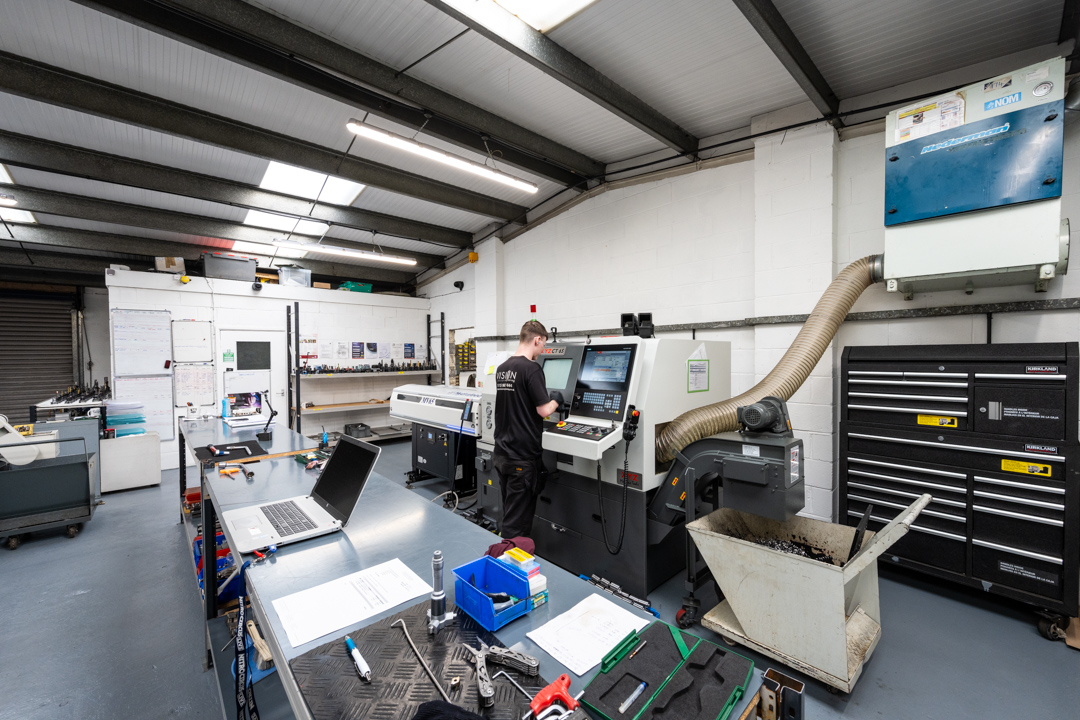
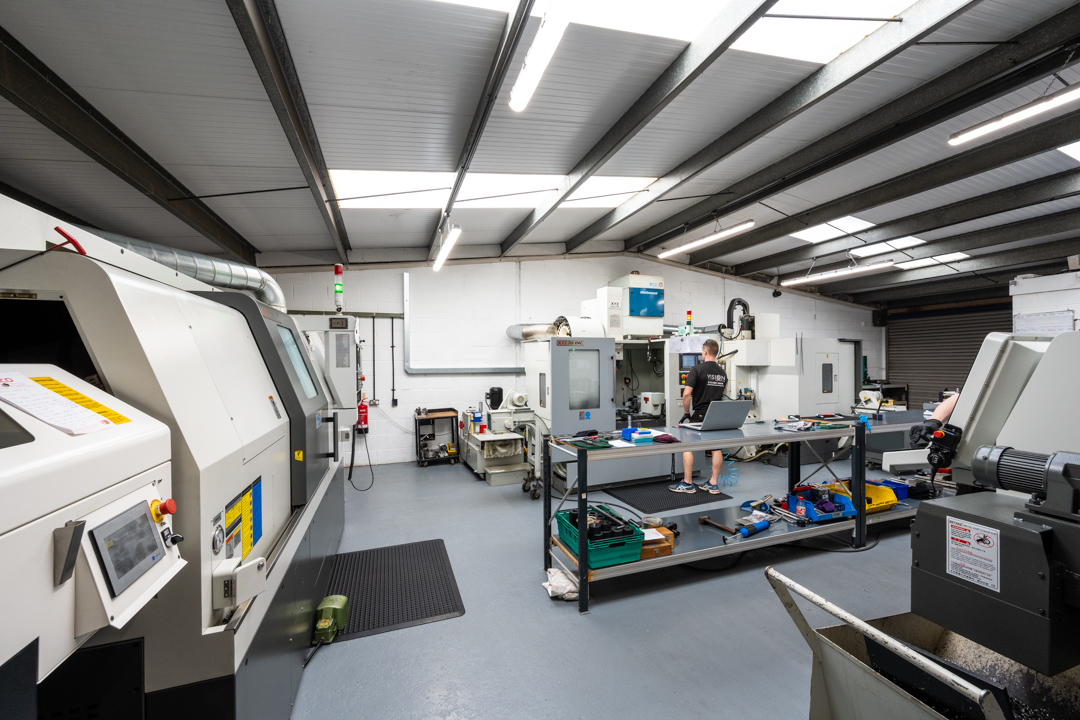
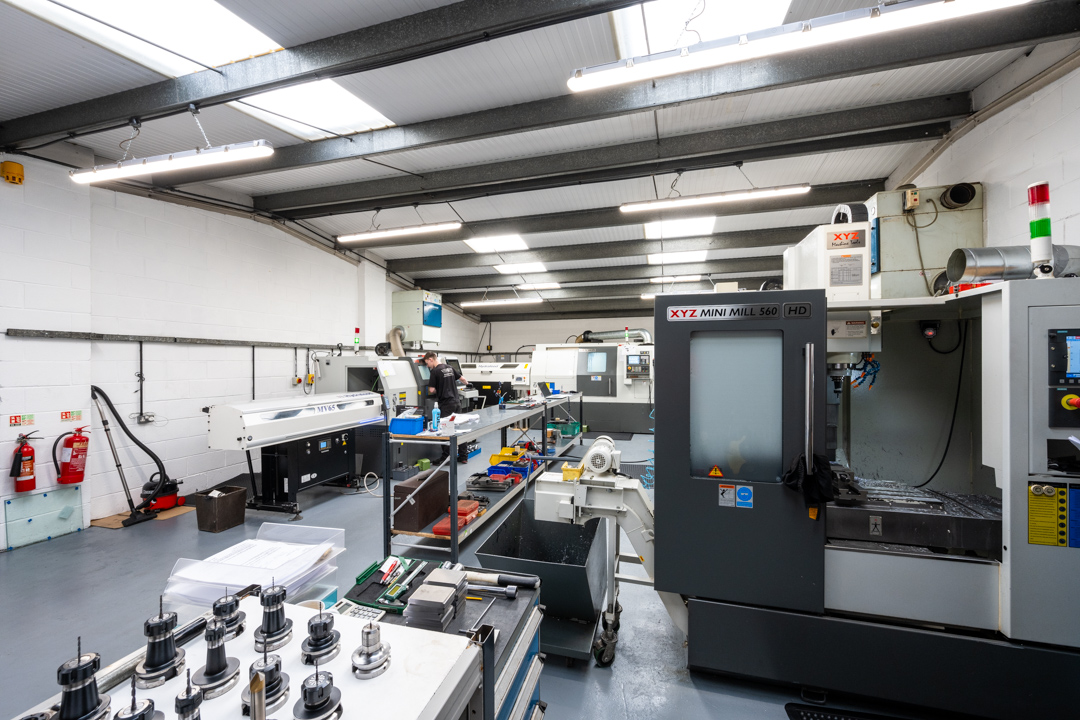
- Ward 2DB 8 Tool Station Capstan Production Lathe for small to medium batch machining.
- Emi Mec 10 Tool Station Mass Production Lathe with a 6-metre bar feed for production turning.
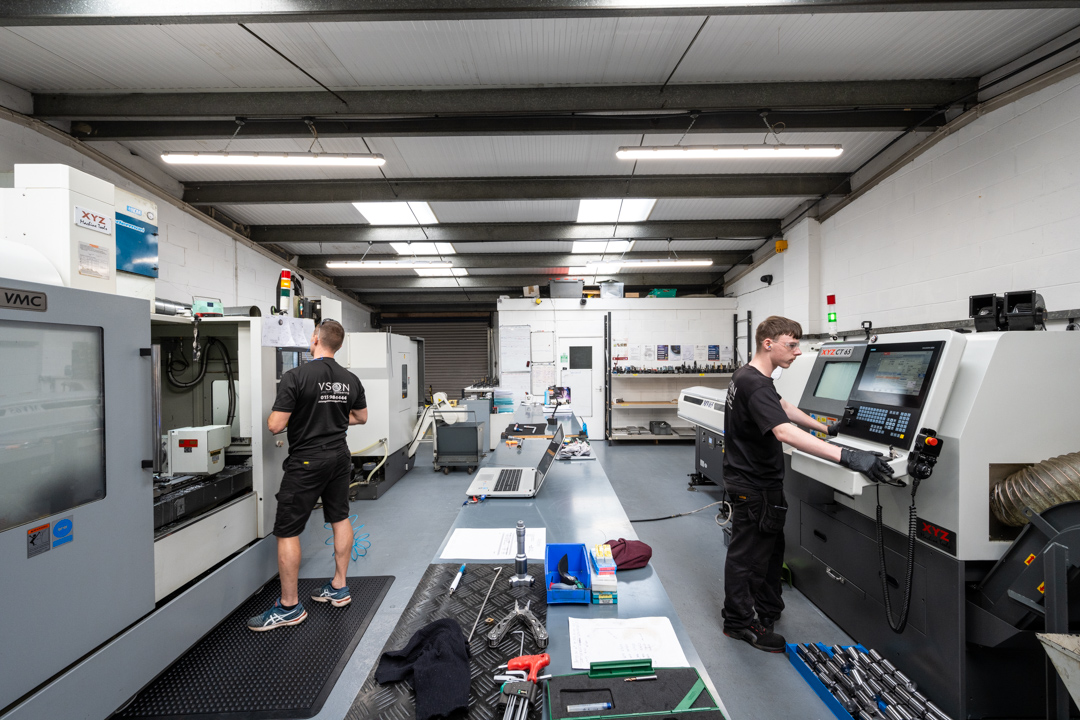
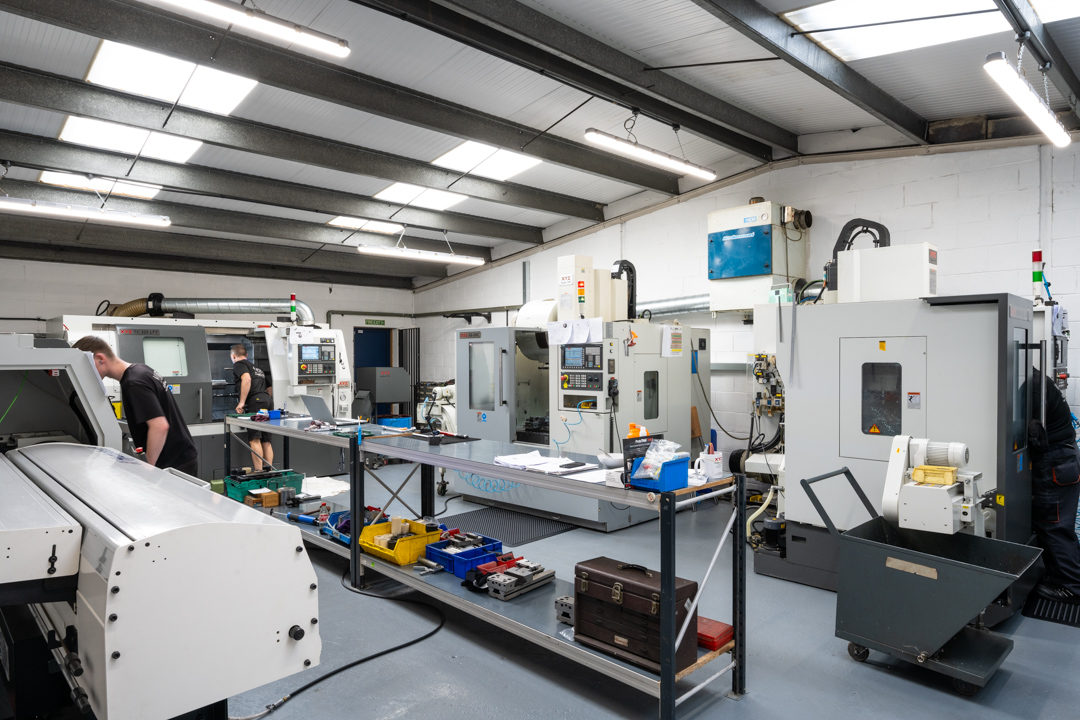
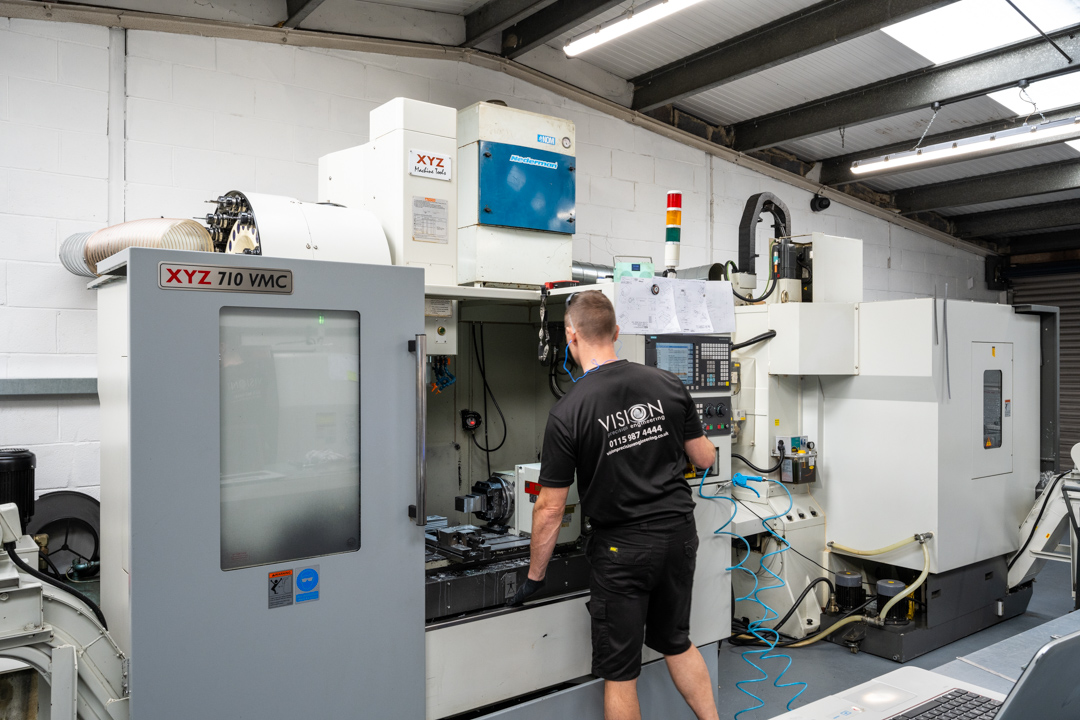
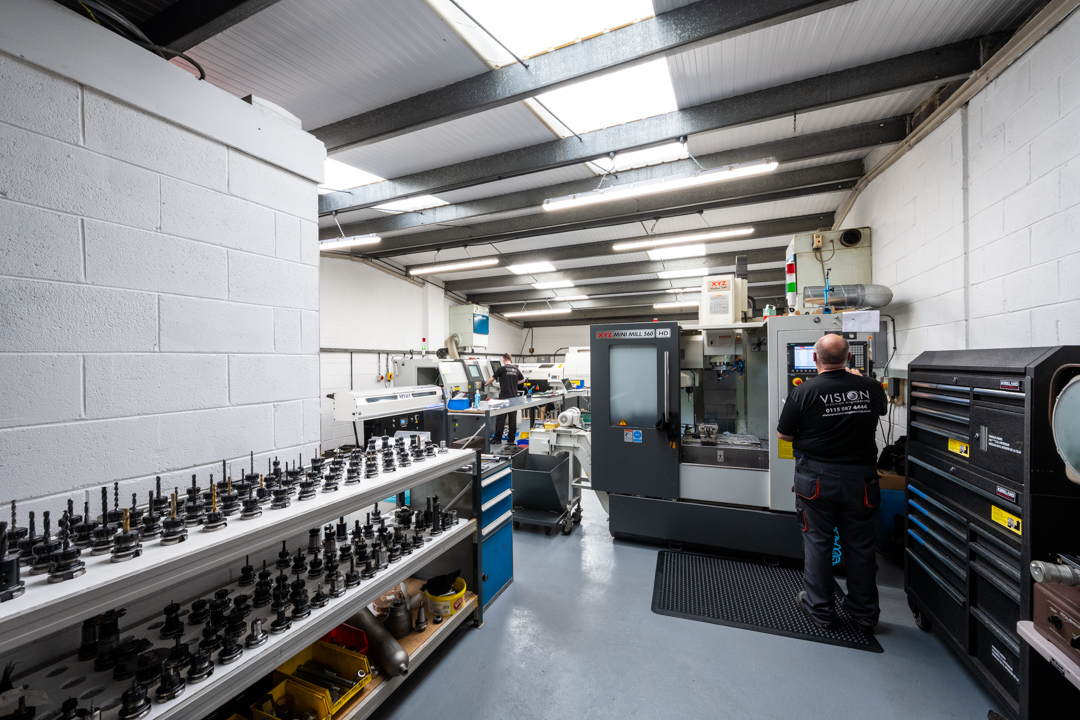
This equipment supports the manufacture of turned components with threaded features. Contact us to confirm the thread sizes, materials and quantities suitable for your requirement.
Thread Rolling or Screw Cutting?
Thread rolling forms a thread through material displacement, while screw cutting removes material to create the required profile.
The appropriate method depends on the material, thread specification, component geometry and order quantity. Available tooling and the preparation required also influence the manufacturing approach.
Vision Precision Engineering offers both thread rolling and screw cutting services. If your specification permits either method, include that information with your enquiry so we can assess the options.